

Deciding when to move to a nursing house is a fancy and highly individualized determination that depends on numerous elements, together with an individual's bodily and mental health, the extent of care required, and their private preferences. Here are some considerations that will help you determine when it could be applicable to move to a nursing residence:
Care Needs: If a person's care wants have turn into too advanced or demanding for members of the family or in-home caregivers to manage, a nursing home could additionally be needed. This can embody help with activities of day by day dwelling (ADLs), treatment management, and sophisticated medical treatments.
Safety Concerns: If security at house is a major concern as a end result of mobility issues, danger of falls, or wandering habits (common in dementia), a nursing residence with 24/7 supervision and assist can provide a safer surroundings.
Declining Health: When a person's well being is declining to the purpose where it's tough for them to handle their condition or keep their high quality of life at house, a nursing house can offer the necessary medical care and a focus.
Caregiver Burnout: If household caregivers are experiencing significant burnout and stress, and they can now not present adequate care, it may be time to think about a nursing home. Caregiver stress could be dangerous to each the caregiver and the particular person receiving care.
Cognitive Impairment: For individuals with extreme dementia or Alzheimer's disease, nursing houses with specialised reminiscence care models may be the finest choice, as they're outfitted to offer the specialised care and supervision required.
Frequent Hospitalizations: If an individual is experiencing frequent hospitalizations or emergency room visits, it may point out that they need more constant and expert care that a nursing home can present.
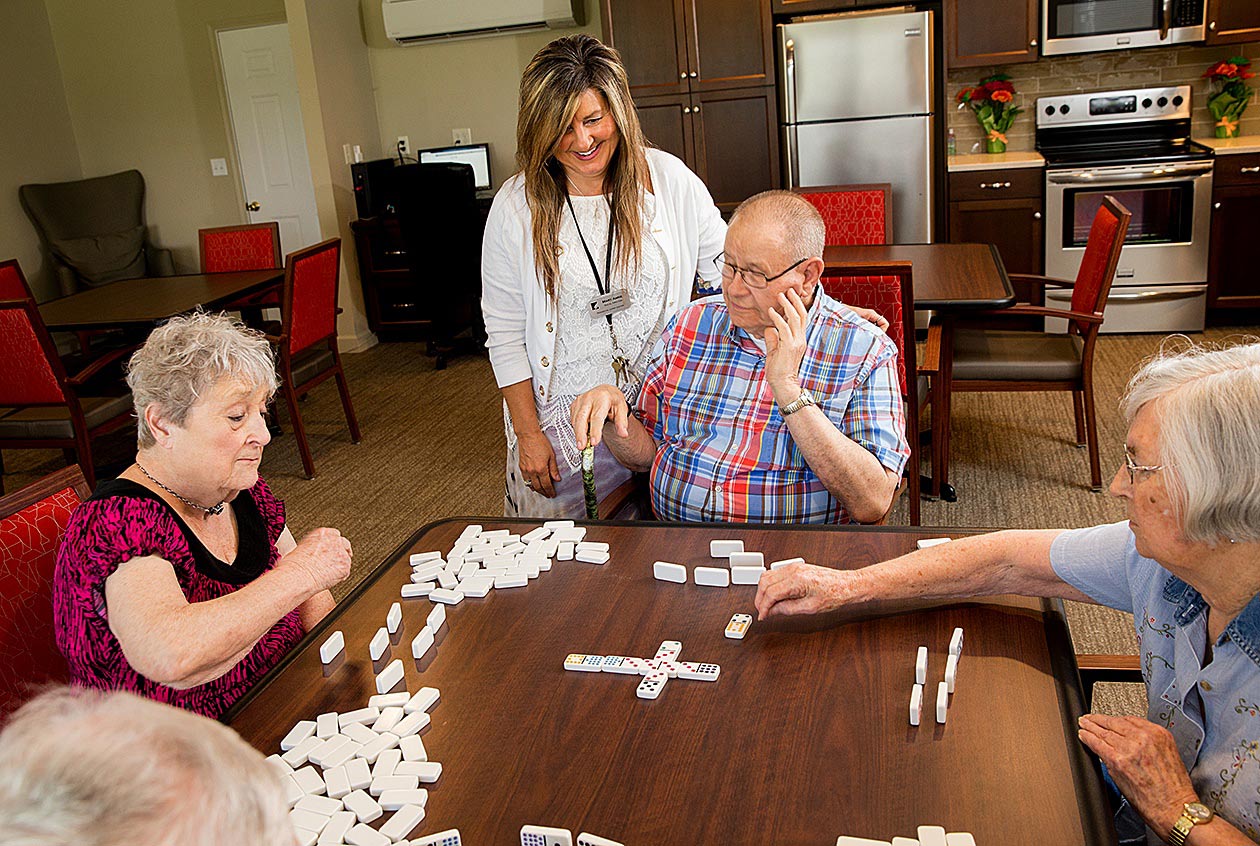
Social Isolation: Loneliness and social isolation can have a negative impact on a person's total well-being. If someone is isolated and lacks social interactions and engagement, a nursing residence can provide more alternatives for socialization and actions.
Lack of Support: If there is a lack of a support system, family, or associates to supply care at home, a nursing house could also be a greater possibility to ensure constant care and assist.
Financial Considerations: Assess the monetary sources out there to cowl nursing house expenses. This includes understanding insurance coverage protection, Medicaid eligibility, and any personal savings or property that can be utilized to pay for long-term care.
Personal Preferences: Consider the individual's personal wishes and preferences regarding where they want to receive care. Some people may prefer to stay at house for as lengthy as possible, while others may be more open to the idea of moving to a nursing residence.
Ultimately, the choice to move to a nursing home should be made in session with healthcare professionals, family members, and the one who will be receiving care. It's important to carefully weigh the pros and cons, assess the particular wants, and make the most effective decision to make sure the protection, well-being, and high quality of life for the individual in need of care. Additionally, seek follow this link of with a social employee or eldercare specialist to help you make an knowledgeable choice..