

Anyone who lives throughout winter weather regions ought to take preventative procedures to protect their home from the creation of ice public works.
Ice dams take place when roof channels becomes clogged along with ice and debris. As water by rain or dissolved snow runs away of the roof toward the gutter, it becomes captured between the ice inside of the gutter in addition to the roof shingles. With nowhere for the water runoff to look, water can maneuver back and underneath roof shingles. As soon as the water journeys underneath the shingles, it may stay there for the extended time frame going through a long number of freeze/thaw cycles. Need to water remain underneath the roof shingles, it's not going to be long before the begins to create roof floor damage and real wood rot.
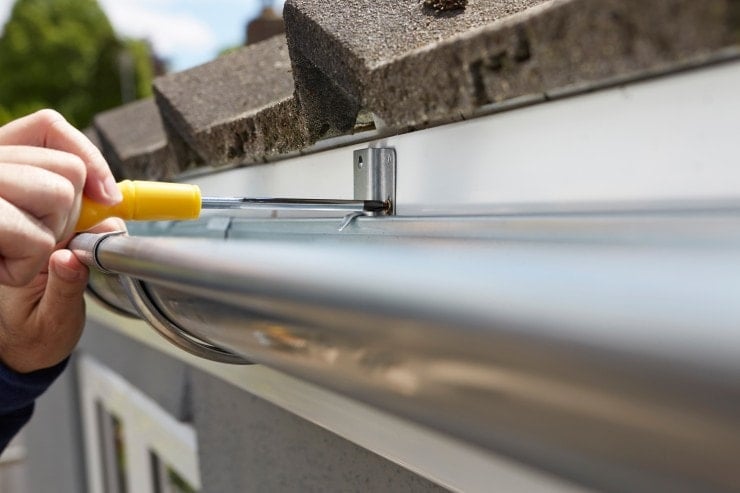
Fixing normal water damage as the result of snow dams is high-priced.
Preventing ice dams is easy and even inexpensive. Prevent ice cubes dams during new construction or re-roofing by employing the subsequent measures:
1. When installing a new roof, always install some sort of good quality ice and water obstacle on the first 3 feet involving all roof eaves at minimum (or 2 feet previous the first rooms wall). Lower frequency roofs may need 6 feet involving ice and water barrier or extra. Minimum building signal for most cities in Wisconsin require ice and drinking water barrier to expand from your edge regarding any roof eave all the way up 2 (2) feet earlier the interior wall structure. In most conditions, the roof soffit (overhang) is a single foot or fewer wide. Therefore, standard ice and water barrier manufactured throughout three (3) foot wide rolls can meet minimum building code. This is definitely why most roofers include one row (first three feet) of ice in addition to water barrier within their bids for roofing work. If a person have wider soffit, carefully read the minimal building code with regard to roofing in the municipality and be well prepared install more than one row regarding ice and normal water barrier. Also notice that this is definitely "minimum" building code. Generally, more will be better with this situation, but ice and water barrier is usually relatively expensive in comparison to traditional tar papers underlayment. One need to weigh the costs and benefits in order to going beyond the particular minimum building program code with this situation.
two. Install gutters and downspouts large more than enough to handle each of the water runoff through your roof. Most contractors will be ready to calculate the necessary gutter capacity according to roof size. Bigger roofs will require larger gutters using more water capacity. Roof maintenance are a little more costly than prefabricated gutters, but they purchase themselves once you consider durability in addition to maintenance. Always be certain normal water has an obvious path out involving the downspouts and away from typically the first step toward the home.
3. Optimize roof ventilation by controlling intake vents (soffit or gable vents) and exhaust vents (ridge vent or even box vent). Presently there should be some sort of 50/50 balance associated with cold air absorption vents and cozy air exhaust grille in the basement space directly beneath the roof deck. Reroofing from the particular exterior enters the particular intake vents and even pushes warm air out of the particular attic space by means of the exhaust grills in an effectively functioning system. Without right ventilation, warm air becomes trapped inside the attic room. This warm air will warm the roof and melt any kind of standing snow. In the same period, cold air outside can freeze the particular melting snow plus create ice, along with the freeze thaw pattern continues.
Ice public works on existing attics can be averted by using the actions below:
1 ) Keep and clean your own gutters and spickets regularly. Make Check out the post right here drinking water can flow readily off and aside from your roof. Once a downspout clogs and water freezes inside some sort of gutter, it really is also late! Installation involving gutter guards is a good investment which will help save you time and avoid clogs.
2 . not Set up heated roof wires in areas where recurrent ice damming happens. Heated roof cabling are readily accessible, low voltage heating system elements attached to be able to your roof eaves and gutters. These types of cables can avoid ice from building in the 1st place.
3. Set up extra insulation inside attic spaces to be able to ensure warm air flow in the house won't escape into the attic and cozy the roof.
four. Calculate the number of roof ventilation that is present in the loft space. Add absorption or exhaust vents if there is definitely less than one particular square foot of vent area per 300 square toes of attic ground space. There should be a balance of fifty percent intake ventilation and 50% exhaust fresh air.
Preventing ice atteinte and the harm they will cause can be as effortless as cleaning the gutters on some sort of regular basis. If you cannot do it in your own or perhaps if you possess areas of regular ice damning, call up a local, respected roofing company intended for assistance.