

Eco-efficient fireplace stoves, often referred to as eco-friendly or energy-efficient wood-burning stoves, are designed to provide heat and ambiance whereas minimizing their impact on the environment. These stoves are built to burn wood extra efficiently and produce fewer emissions, helping to reduce air air pollution and preserve power. Here are some features and issues for eco-efficient hearth stoves:
High Efficiency: Look for stoves with excessive efficiency rankings. These stoves extract extra warmth from the wood and release much less waste via the chimney. Efficiency rankings are normally indicated as a share and can range between completely different fashions.
EPA Certification: In many nations, including the United States, the Environmental Protection Agency (EPA) certifies wood stoves for emissions and efficiency. Choosing an EPA-certified range ensures that it meets sure environmental standards and burns wooden more cleanly.
Cleaner Burning Technology: Many eco-efficient stoves incorporate superior combustion technology to ensure cleaner burning. This might embody options like secondary combustion, catalytic converters, and air provide controls to optimize combustion and cut back emissions.
Air Wash System: A built-in air wash system helps keep the glass window of the stove clean by directing a stream of air over it, preventing soot and creosote buildup and maintaining a clear view of the flames.
Insulation and Heat Retention: Stoves with proper insulation and heat retention properties keep the firebox hotter for longer durations. This results in higher combustion and more efficient warmth output.
Size and Heat Output: Choose a range that is appropriately sized for the area you propose to warmth. An outsized range might result in overheating and inefficient burning.
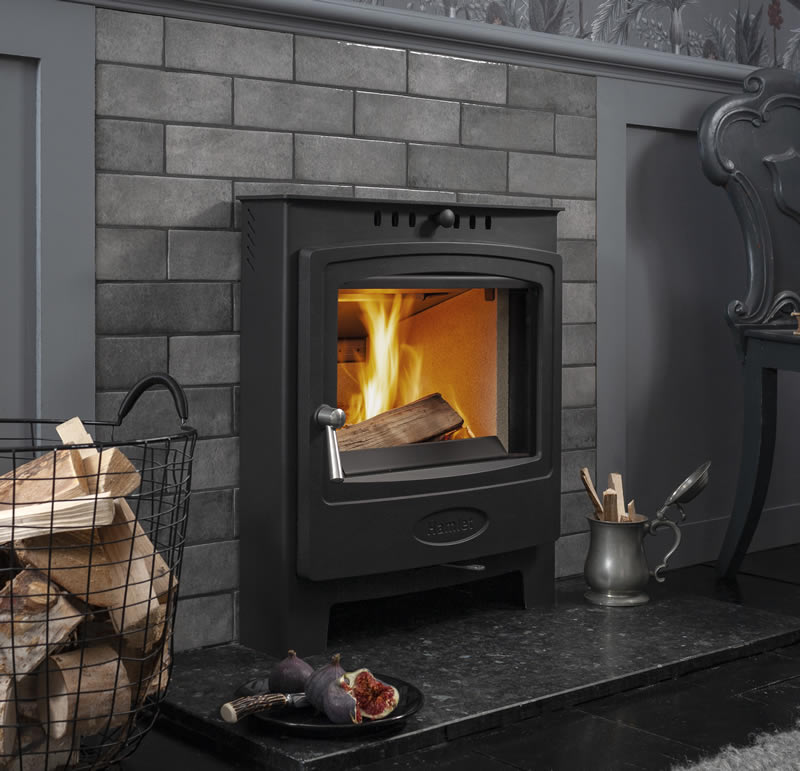
Wood Quality: Burning dry, seasoned wooden is essential for optimum efficiency and effectivity. Wet or green wood can produce more smoke and creosote buildup, lowering range effectivity and probably posing a fireplace hazard.
Multi-Fuel Options: Some stoves can burn multiple kinds of fuel, similar to wooden pellets, which are a extra constant and efficient gasoline supply in comparison with conventional logs.
Eco-Friendly Materials: Stoves produced from sustainable and eco-friendly materials, such as recycled or domestically sourced steel, contribute to their total environmental impact.
Proper Installation: Proper installation of the range and chimney is essential for security and effectivity. Make positive to observe manufacturer guidelines and contemplate skilled set up.
Regular Maintenance: To maintain effectivity and prevent creosote buildup, which might result in chimney fires, regular cleansing and maintenance of the stove and chimney are important.
Local Regulations: Check local rules and necessities related to wood-burning stoves, together with emission standards and restrictions on burning certain forms of wooden.
Click here -efficient fire stoves offer a approach to enjoy the heat and ambiance of a wood-burning fire whereas being aware of the surroundings. When looking for a stove, pay consideration to effectivity ratings, emissions certifications, and options that contribute to cleaner burning and decreased environmental impression..